

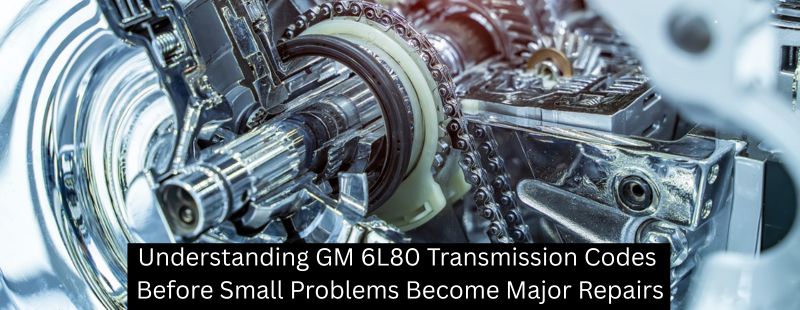
If your GM 1500 has triggered a check engine light or is displaying transmission-related warning signs, there is a strong chance your vehicle has stored one or more 6L80 transmission trouble codes. These codes are not just technical jargon—they are early warning signals that internal components may be wearing, overheating, or failing. Addressing them promptly can mean the difference between a manageable repair and a complete transmission replacement.
The GM 6L80 automatic transmission is widely used across Chevrolet and GMC 1500 trucks and SUVs. While it is a capable and well-engineered unit, it has several well-documented failure points, including torque converter issues, valve body wear, pressure control solenoid failures, and overheating conditions. When these problems arise, the vehicle’s onboard diagnostics system stores specific fault codes to alert the driver and technician.
In this guide, we break down the top 10 most common GM 6L80 transmission codes, explain what each code means in plain language, and outline the symptoms you may notice while driving. More importantly, we explain why professional transmission diagnostics are essential when these codes appear. If you want to protect your vehicle, avoid unexpected breakdowns, and reduce long-term repair costs, understanding these codes is the first step.
What This Code Means
The P0700 code is a general alert indicating the Transmission Control Module (TCM) has detected a fault. It does not identify the specific issue, only that one or more transmission-related codes are stored.
Common Symptoms
Why It Matters
P0700 almost always appears alongside additional transmission codes. Advanced transmission diagnostics are required to retrieve and interpret the underlying faults.
What This Code Means
P0741 indicates the torque converter clutch (TCC) is slipping or failing to engage. This is one of the most common 6L80 transmission problems and is often linked to torque converter shudder.
Common Symptoms
Why It Matters
A failing torque converter can contaminate the transmission with metal debris, leading to valve body damage and clutch failure if not addressed promptly.
What This Code Means
This code points to an issue with pressure control solenoid “B”, often caused by valve body wear inside the 6L80 transmission.
Common Symptoms
Why It Matters
Incorrect line pressure directly affects clutch operation. Left unresolved, this issue can lead to internal clutch damage and transmission failure.
What This Code Means
P0877 indicates a low signal from an internal pressure sensor located within the Transmission Electro-Hydraulic Control Module (TEHCM).
Common Symptoms
Why It Matters
Faulty pressure readings cause the transmission to apply incorrect hydraulic pressure, accelerating internal wear and reducing reliability.
What This Code Means
The P0218 code signals that transmission fluid temperature has exceeded safe operating limits.
Common Causes
Why It Matters
Overheating breaks down transmission fluid, reduces lubrication, and dramatically shortens the life of internal components.
What This Code Means
P1870 indicates detected clutch slippage, often during the 2–3 gear shift, and is commonly linked to internal wear.
Common Symptoms
Why It Matters
This code often signals internal clutch failure or pressure loss and should be addressed before further damage occurs.
What This Code Means
The P0706 code points to a malfunction in the transmission range sensor, which identifies gear selection.
Common Symptoms
Why It Matters
Improper gear recognition can create safety issues and unpredictable vehicle behavior if not corrected.
What These Codes Mean
These codes indicate problems with the transmission fluid temperature (TFT) sensor, either sending inaccurate data or no data at all.
Common Symptoms
Why It Matters
Incorrect temperature data affects shift timing, pressure control, and transmission protection strategies.
What This Code Means
P2715 indicates solenoid “D” is stuck in the on position, causing excessive hydraulic pressure.
Common Symptoms
Why It Matters
Excessive pressure places unnecessary stress on internal components and accelerates wear.
What This Code Means
This code indicates pressure control solenoid “C” is not responding correctly.
Common Symptoms
Why It Matters
Pressure control failures are a leading cause of internal transmission damage when ignored.
Transmission trouble codes are early warning signs, not minor inconveniences. While some vehicles may continue driving temporarily, these faults often worsen quickly and lead to:
Addressing problems early can significantly reduce repair costs and downtime.
When dealing with GM 6L80 transmission problems, experience matters. Mister Transmission is a specialty transmission repair franchise with decades of hands-on expertise diagnosing and repairing automatic transmissions like the 6L80.
Our technicians are trained to:
Mister Transmission locations are equipped with advanced diagnostic tools, professional-grade equipment, and deep familiarity with common GM transmission failures. Whether your truck is showing early warning signs or experiencing severe drivability issues, our team understands how to resolve these problems efficiently and correctly.
If your GM 1500 is displaying any of the transmission codes listed above, do not wait for the issue to worsen. Visit a Mister Transmission location near you for expert diagnostics, trusted repairs, and the confidence that your transmission is in the hands of true specialists.
When a GM 6L80 transmission code appears, it is your vehicle’s way of asking for professional attention. These codes rarely resolve on their own, and delaying service often allows minor internal issues to escalate into major failures. What may begin as a solenoid or valve body concern can quickly turn into torque converter contamination, clutch damage, or complete transmission failure if left unaddressed.
This is where Mister Transmission stands apart. As a specialty transmission repair franchise, we focus exclusively on diagnosing, repairing, and rebuilding transmissions—every day, across all driving conditions. Our technicians are highly familiar with the GM 6L80 platform and its most common trouble codes, including torque converter shudder, pressure control solenoid failures, overheating issues, and internal wear patterns.
Mister Transmission locations are equipped with advanced diagnostic tools and the expertise needed to identify root causes, not just clear codes. We believe in accurate diagnosis, quality workmanship, and honest recommendations designed to extend the life of your vehicle. Whether your truck is showing early warning signs or experiencing noticeable shifting problems, our team knows how to address these issues correctly the first time.
If your GM 1500 is displaying any of the 6L80 transmission codes discussed in this article, don’t wait for the problem to worsen. Visit a Mister Transmission location near you for a professional transmission inspection and peace of mind knowing your vehicle is in the hands of true transmission specialists.
GM 6L80 Transmission Codes – Frequently Asked Questions
What vehicles use the GM 6L80 transmission?
The GM 6L80 automatic transmission is commonly found in:
Can I keep driving with a 6L80 transmission trouble code?
In some cases, the vehicle may still drive normally for a short period. However, many transmission codes indicate pressure loss, slipping clutches, or overheating, which can worsen quickly. Continuing to drive often leads to more extensive internal damage and higher repair costs.
Is a transmission code always a full transmission failure?
No. Many GM 6L80 codes relate to:
When caught early, these problems may be repairable without requiring a full transmission rebuild or replacement.
Why does my GM truck go into limp mode?
Limp mode is a protective strategy triggered when the transmission control module detects a serious fault. It limits shifting and power to prevent further damage. Limp mode often accompanies pressure control, overheating, or slipping-related codes.
Should I go to a dealership or a transmission specialist?
While dealerships can scan codes, transmission specialists focus exclusively on diagnosing and repairing complex transmission systems. Shops like Mister Transmission have deeper experience with known 6L80 failure patterns and specialized repair solutions.



The evolution of transmissions has made these machines and systems increasingly complex. When transmission repairs are required, determining the cause and cure for what ails can be tricky.
Read More
At Mister Transmission we have access to leading-edge diagnostic equipment, enabling us to offer you the fastest and most accurate findings about what’s going on inside your vehicle’s transmission.
Read More
Just as you have other parts of your car serviced, your transmission needs maintenance to ensure a long life and avoid transmission problems.
Read More