

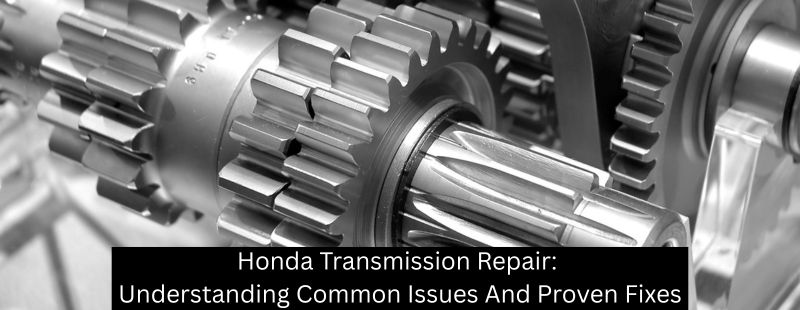
Honda transmissions are known for their smooth shifting, fuel efficiency, and long lifespan. They are designed to support everyday driving while maintaining consistent performance across different road conditions. Even with strong engineering, a Honda transmission can develop issues over time due to wear, age, driving patterns, and fluid-related concerns. Traditional automatic transmissions, CVTs, and older Honda models with unique transmission designs all face different types of strain. When the transmission struggles, the entire vehicle feels unstable because it plays a central role in acceleration, power delivery, and overall drivability.
Many drivers assume transmission issues appear suddenly, but most problems begin gradually. Small signs of slipping, delayed shifting, or vibration often indicate deeper mechanical or hydraulic concerns. Regular service keeps these systems running smoothly, but when trouble begins, expert help becomes essential. Mister Transmission works with all Honda models and understands the unique patterns found in both older and newer units.
A Honda often gives early signals before the transmission develops serious damage. One common warning sign is delayed gear engagement, where the vehicle hesitates before moving after shifting from park to drive. Another clue is slipping during acceleration, meaning the engine revs but power does not transfer correctly to the wheels. Drivers may also feel sudden jerks, rough shifts, or unusual surging while driving at steady speeds.
Strange noises also signal trouble. Whining, buzzing, or humming sounds often point to internal wear, failing bearings, or hydraulic pressure issues. Some Honda transmissions may trigger dashboard warning lights such as the check engine light or transmission-related alerts. Fluid leaks underneath the vehicle or a burnt smell from overheated fluid should never be ignored. Ignoring these signs can turn minor problems into costly failures. Mister Transmission technicians are trained to detect early symptoms and recommend the right solution before major damage occurs.
Honda sedans and SUVs share a reputation for reliability, though certain models experience recurring transmission concerns. The Honda Civic may show issues such as slipping or delayed shifting, especially in high-mileage vehicles. The Honda Accord often deals with torque converter concerns or harsh shifting in older automatic models. The Honda CR-V and Honda Pilot sometimes show early signs of overheating, especially when driven in heavy traffic or on steep roads.
CVT-equipped Honda vehicles, such as newer Civics and Accords, may develop shuddering under light acceleration or inconsistent power delivery. The Honda Odyssey has been known for transmission wear in older generations due to the heavy load placed on minivan transmissions. Each problem tends to follow recognizable patterns, which helps specialists diagnose them accurately.
Mister Transmission works on every type of Honda transmission, from older automatics to modern CVTs. Their technicians understand how to identify model-specific issues and offer targeted repair solutions.
Many Honda transmission failures come from a combination of mechanical stress, heat, and fluid breakdown. Transmission fluid plays a major role in cooling, lubrication, and hydraulic pressure. When the fluid becomes old or contaminated, internal components begin to wear faster. Heat is another major contributor. A Honda driven in hot climates, heavy traffic, or frequent stop-and-go conditions faces increased thermal stress.
Design characteristics can also play a role. Some Honda models have torque converter problems, while others experience early wear in clutch packs or solenoids. CVT-equipped Hondas sometimes show belt or pulley wear when fluid maintenance is ignored. Mechanical strain increases when the vehicle tows heavy loads or carries additional weight.
The key is early attention. A minor issue ignored for too long can turn into complete transmission failure. Mister Transmission focuses on identifying the root cause rather than simply addressing the surface-level symptom, ensuring long-term reliability.
Accurate transmission repair begins with expert diagnostics. Professionals examine fluid quality, look for leaks, and inspect for metal debris that signals internal wear. They also run advanced electronic scans to evaluate sensors, solenoids, and pressure-related systems that control shifting. Road testing helps reveal symptoms that may not appear while the vehicle is stationary.
Honda transmissions often require model-specific diagnostic techniques, especially CVTs and older automatic units. Professionals evaluate hydraulic pressure, torque converter operation, clutch pack behavior, and valve body performance. A thorough approach ensures that no underlying issue is missed.
This level of detailed analysis cannot be performed accurately without proper tools and transmission-specialist knowledge. Mister Transmission uses industry-leading diagnostic equipment designed specifically for transmission systems. Their technicians follow a structured process that pinpoints the exact issue so the repair is correct the first time.
Honda transmission repairs vary depending on the cause and the type of transmission system. Some issues come from worn clutch components, faulty solenoids, failing torque converters, or hydraulic pressure loss. In many cases, internal cleaning, recalibration, or component replacement brings the transmission back to stable performance.
When internal damage is more advanced, a transmission rebuild becomes the preferred solution. Rebuilding involves replacing worn parts and restoring the transmission to a dependable, like-new condition. A full replacement becomes necessary when the transmission is beyond repair or when extensive internal damage makes rebuilding less practical.
Honda CVTs require special attention because they operate differently from traditional automatics. Repairs for CVTs must be handled by specialists familiar with pulley systems, belts, and pressure control systems. Mister Transmission is equipped to repair both automatic and CVT Honda transmissions using proven methods that restore smooth operation and long-term reliability.
Regular transmission service delays wear, protects internal components, and prevents overheating. Fresh fluid keeps the transmission cool and ensures smooth hydraulic pressure. Early inspections catch problems before they affect drivability or lead to sudden breakdowns. Honda transmissions often last many years when properly maintained, but skipping service accelerates internal damage.
Timely service also protects performance. A smooth-shifting transmission enhances fuel efficiency and reduces strain on the engine. Drivers notice far better acceleration and overall driving comfort when the transmission is functioning at its best.
Choosing a professional for routine service gives Honda owners long-term cost savings. Preventative care is always more affordable than major repairs or full replacements. Mister Transmission helps drivers stay ahead of issues by providing reliable inspection and service solutions tailored to Honda vehicles.
Mister Transmission has built a strong reputation for expertise, transparent communication, and reliable results. Honda transmissions require specialized knowledge, and the technicians understand the engineering differences across various models and generations. Their experience ensures accurate diagnostics, efficient repair, and dependable long-term performance.
Customers value clear explanations and honest recommendations. Mister Transmission provides detailed assessments so drivers understand what is happening with their vehicle and what solutions will resolve the issue. Repair work is completed with high-quality components and industry-approved techniques to ensure optimal transmission performance.
The brand also offers strong warranty coverage, giving Honda owners the confidence that their repair is protected. Whether dealing with slight slipping, harsh shifting, or a complete transmission breakdown, Mister Transmission provides the reliability and expertise Honda drivers consistently look for.
Choosing between repair, rebuild, or replacement depends on the severity of the issue and the condition of the vehicle. Minor problems such as solenoid failure or pressure-related faults often require simple repairs. A rebuild becomes the best option when multiple internal components are worn but the transmission case is still in good condition.
A full replacement is considered when the transmission has extensive internal damage, heavy contamination, or repeated failures over a short period. The goal is always long-term reliability. When drivers receive expert guidance, they avoid unnecessary expenses and gain clarity on the most suitable solution.
Mister Transmission provides clear recommendations after evaluating the transmission thoroughly. Their goal is to help Honda owners make an informed choice that supports safety, performance, and long-term dependability.



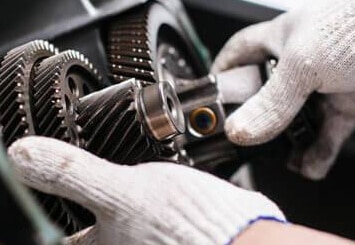
The evolution of transmissions has made these machines and systems increasingly complex. When transmission repairs are required, determining the cause and cure for what ails can be tricky.
Read More
At Mister Transmission we have access to leading-edge diagnostic equipment, enabling us to offer you the fastest and most accurate findings about what’s going on inside your vehicle’s transmission.
Read More
Just as you have other parts of your car serviced, your transmission needs maintenance to ensure a long life and avoid transmission problems.
Read More