

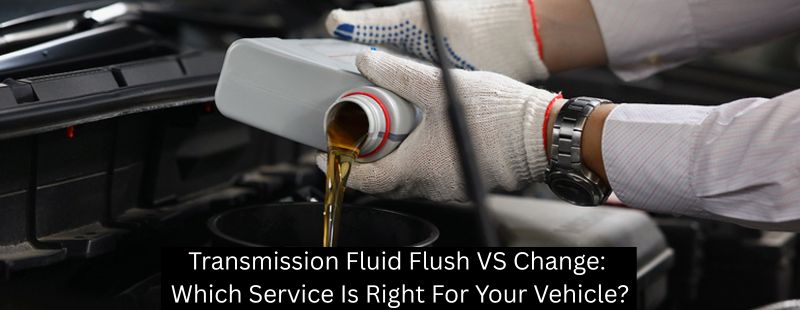
Transmission fluid service is one of those maintenance items that most vehicle owners know they should handle — but very few understand well enough to make a confident decision. When a service advisor mentions a fluid flush versus a fluid change, the instinct is often to either pick the cheaper option or assume the more expensive one must be better. Neither approach is correct.
The distinction between these two services matters more than most drivers realize. The wrong choice at the wrong time can disturb sediment inside an older transmission, introduce unnecessary stress into a system that was functioning adequately, or leave a vehicle without the fluid protection it actually needs.
Drivers across Ontario, Alberta, and British Columbia deal with a wide range of temperature extremes and road conditions that accelerate fluid degradation faster than manufacturer service intervals assume. Understanding what each service involves — and when each one applies — is the foundation of smart transmission maintenance.
A transmission fluid change is the partial replacement of your vehicle’s transmission fluid. During this service, the transmission pan is dropped, the old fluid drains out by gravity, the filter is typically replaced, and fresh fluid is added to bring the system back to the correct level.
The key word is partial. Because some fluid remains in the torque converter and other internal passages, a standard fluid change replaces roughly 40 to 50 percent of the total fluid volume. It’s a targeted service — not a complete system refresh.
For vehicles with relatively healthy transmissions and fluid that hasn’t significantly degraded, a fluid change is often the most appropriate service. It reduces contamination, restores fluid protection, and doesn’t introduce the pressure dynamics of a full flush into the system.
A transmission fluid flush replaces virtually all of the fluid in the system — including the fluid in the torque converter and cooler lines. This is achieved using specialized equipment that pushes new fluid through the system while simultaneously removing the old fluid, cycling out nearly 100 percent of the total volume.
The result is a thorough fluid replacement that leaves very little of the old, degraded fluid behind. For vehicles with significantly contaminated fluid or those that have gone well past their recommended service interval, a flush addresses what a simple drain-and-fill cannot.
That said, a flush isn’t always the right call. On transmissions with existing wear or heavy sludge buildup, the pressure involved in a flush can dislodge deposits that have been sitting in place for years — sometimes causing more disruption than benefit. This is exactly why the decision should be made by a qualified technician after an inspection, not by default.
Healthy transmission fluid is typically red or pink and has a slightly sweet smell. Fluid that has darkened to brown or black, carries a burnt odor, or appears cloudy is telling you it’s been working past its effective life. The condition of the fluid is the most important single indicator when deciding between a change and a flush.
If the fluid is dark but the transmission is otherwise functioning normally and has no history of deferred maintenance, a flush may be appropriate. If the fluid is dark and the vehicle has significant mileage with unknown service history, a more conservative approach — starting with a change — is often the wiser starting point.
A vehicle that has been receiving regular fluid changes on schedule is a candidate for continued regular changes. A vehicle that hasn’t had any transmission fluid service in years presents a different scenario entirely, and the decision requires a professional assessment of the system’s current condition.
Vehicles that operate in severe conditions — regular towing, stop-and-go city driving, extreme cold in provinces like Manitoba and Saskatchewan, or high-heat environments — degrade fluid faster than vehicles used primarily for highway driving. Severe-duty driving often shortens the effective service interval considerably.
The Fluid Change Is Typically Right When:
The vehicle is within a reasonable service interval, the fluid shows some darkening but not heavy contamination, and the transmission is operating normally with no symptoms of wear or slipping. Regular fluid changes on schedule are the single most effective thing a driver can do to extend transmission life.
The Fluid Flush Is Typically Right When:
The vehicle is significantly overdue for service, the fluid is heavily contaminated, and a thorough refresh of the entire fluid volume is warranted. A flush also makes sense as part of a comprehensive service on a vehicle that has recently been purchased used with no confirmed maintenance history.
In either case, the starting point should always be an inspection — not an assumption.
Skipping fluid service doesn’t save money. It defers a small, predictable expense in exchange for a much larger unpredictable one.
Transmission fluid breaks down over time, losing its ability to protect metal surfaces from heat and friction. As protection degrades, internal wear accelerates — on clutch packs, bands, seals, and the valve body. What starts as a fluid service need eventually becomes a repair conversation, and if ignored long enough, a replacement conversation.
Drivers in high-traffic corridors from Vancouver to Halifax understand this well — vehicles that work hard need maintenance systems that reflect that reality.
A fluid change drains the transmission pan and replaces roughly half the total fluid volume. A flush uses equipment to cycle out nearly all of the fluid, including what’s in the torque converter and cooler lines. The right choice depends on the vehicle’s service history, current fluid condition, and the overall health of the transmission — not simply which service sounds more thorough.
Service intervals vary by vehicle make, model, and driving conditions. Vehicles used for towing, city driving, or operating in extreme climates — common across provinces like Alberta and Ontario — typically need service more frequently than the manufacturer’s standard recommendation suggests. A qualified transmission technician can assess your specific situation and recommend the appropriate interval.
It can be, in some cases. Older transmissions with significant wear may have accumulated sediment and deposits that have settled into place over time. The pressure dynamics of a flush can dislodge this material and cause it to circulate through the system. For older or high-mileage vehicles, a conservative fluid change — or a series of changes — is often the more appropriate approach.
Yes. Mister Transmission services automatic, manual, and CVT transmissions across a wide range of vehicle makes and models. Fluid specifications and service procedures vary significantly between transmission types, which is why having a specialist perform the service — rather than a general shop — ensures the correct fluid and the correct process are used for your specific vehicle.
Low or degraded transmission fluid removes the protective barrier between metal components inside the unit. Heat and friction accelerate wear on clutch packs, seals, and other internal parts. Over time, this leads to shifting problems, slipping, and eventually component failure. The longer fluid service is deferred, the more internal damage accumulates — and the more expensive the eventual repair becomes.
The flush vs. change question doesn’t have a universal answer — it has a correct answer for each specific vehicle based on its condition, history, and how it’s been used. Getting that answer right is the difference between a straightforward maintenance visit and an avoidable repair down the road.
Mister Transmission has been Canada’s transmission specialist since 1963, with locations from coast to coast providing expert fluid service, diagnostics, and repairs for all transmission types. If you’re unsure where your vehicle stands, the right starting point is a proper inspection — not a guess. Find your nearest Mister Transmission location and get a clear picture of what your vehicle actually needs.



The evolution of transmissions has made these machines and systems increasingly complex. When transmission repairs are required, determining the cause and cure for what ails can be tricky.
Read More
At Mister Transmission we have access to leading-edge diagnostic equipment, enabling us to offer you the fastest and most accurate findings about what’s going on inside your vehicle’s transmission.
Read More
Just as you have other parts of your car serviced, your transmission needs maintenance to ensure a long life and avoid transmission problems.
Read More